No built-in look
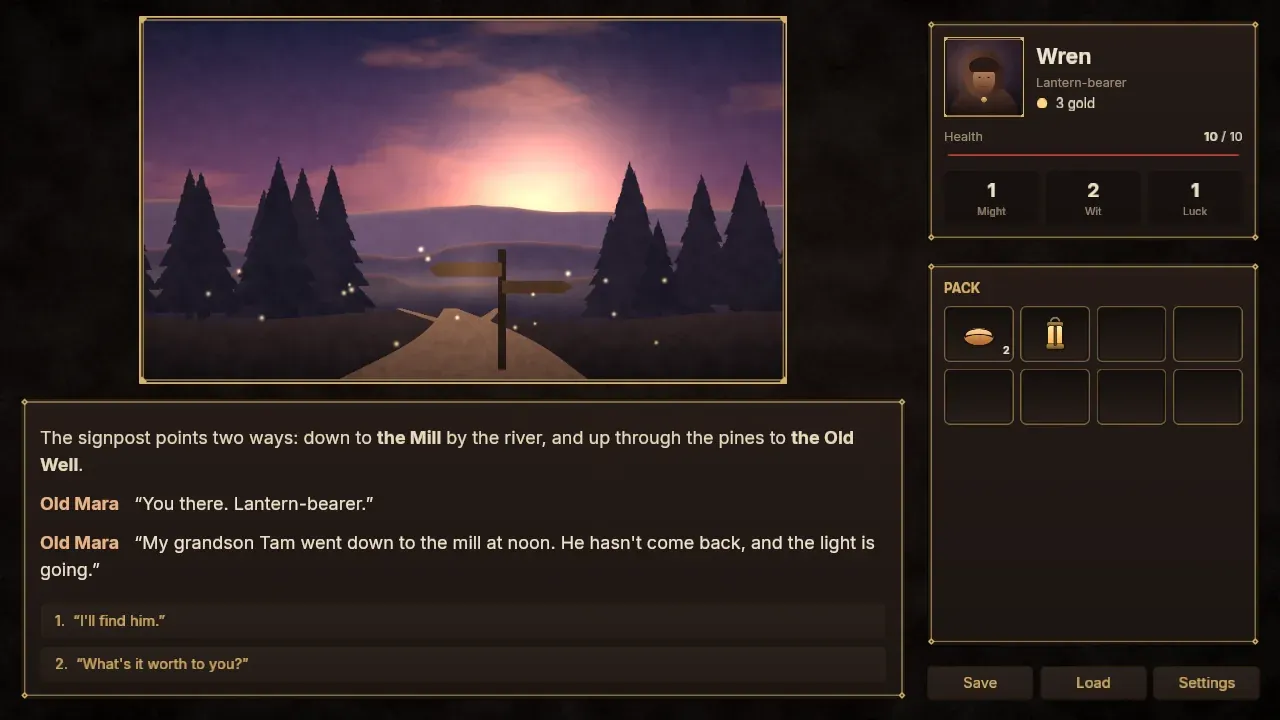
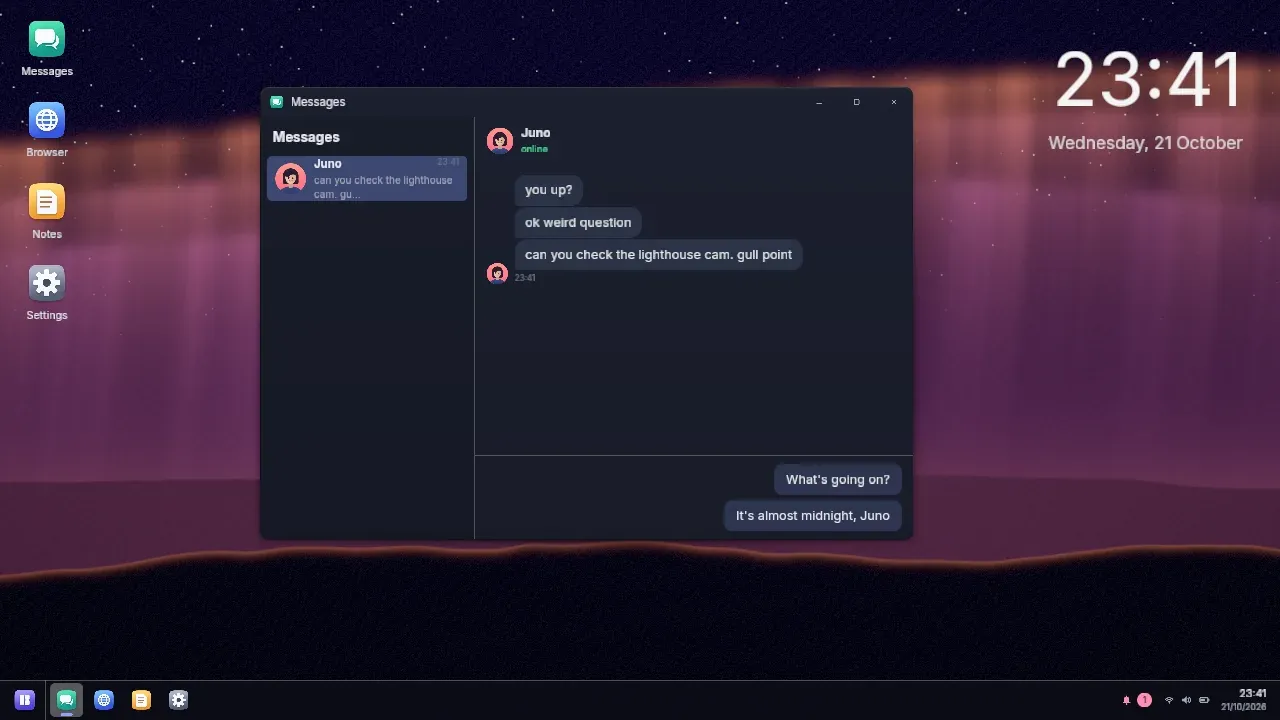
The engine never draws the story; your scripts do. The classic visual novel interface is a template you can restyle or throw away. Templates and demos use only the public API, so anything they do, your game can do.


This is the parallax demo, the same build that ships on desktop and phones, running in your browser.
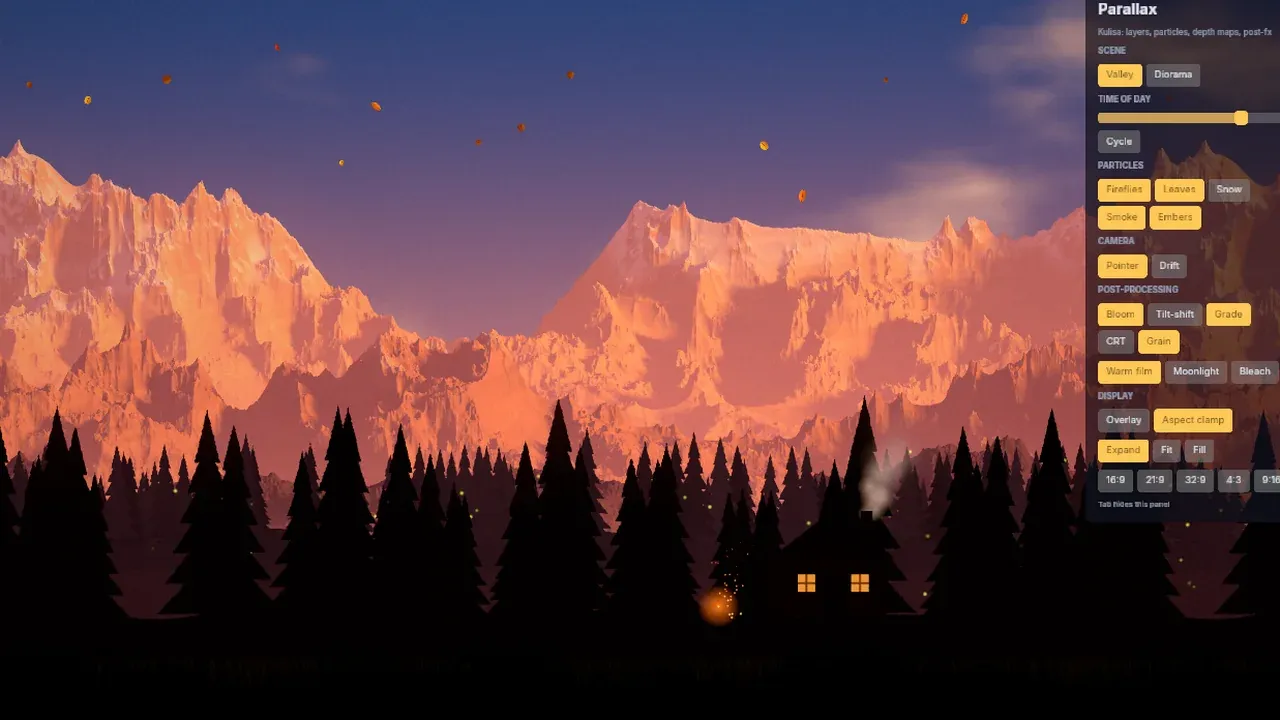
Runs in your browser with WebGPU or WebGL2. Click the game before using the keyboard.Open full screen
Kulisa is Serbian for stage scenery. The engine builds the stage: rendering, text, input, audio, scripting, saves and rollback. What goes on it is up to you.
No built-in look
The engine never draws the story; your scripts do. The classic visual novel interface is a template you can restyle or throw away. Templates and demos use only the public API, so anything they do, your game can do.
Two scripting layers
Writers use .kulisa story files, close to Ren’Py, with errors that name the file, line
and column. Programmers use Luau and can touch everything.
Six platforms, one folder
Windows, Linux, macOS, the web (WebGPU and WebGL2), Android and iOS. Every commit is built and tested on all six.
Fast and lean
A batched GPU renderer on wgpu with WGSL shaders, effect chains, meshes and GPU particles. Instant start, small builds, quality tiers that step down on slow devices.
Every kind of input
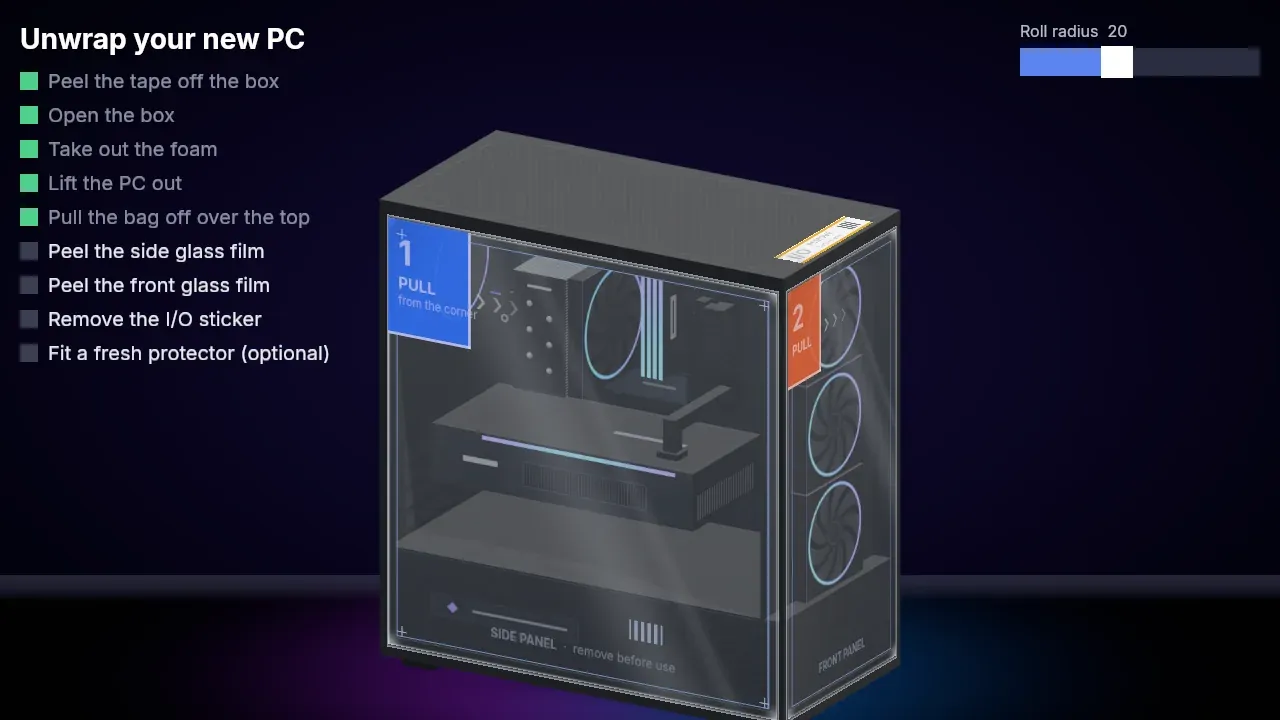
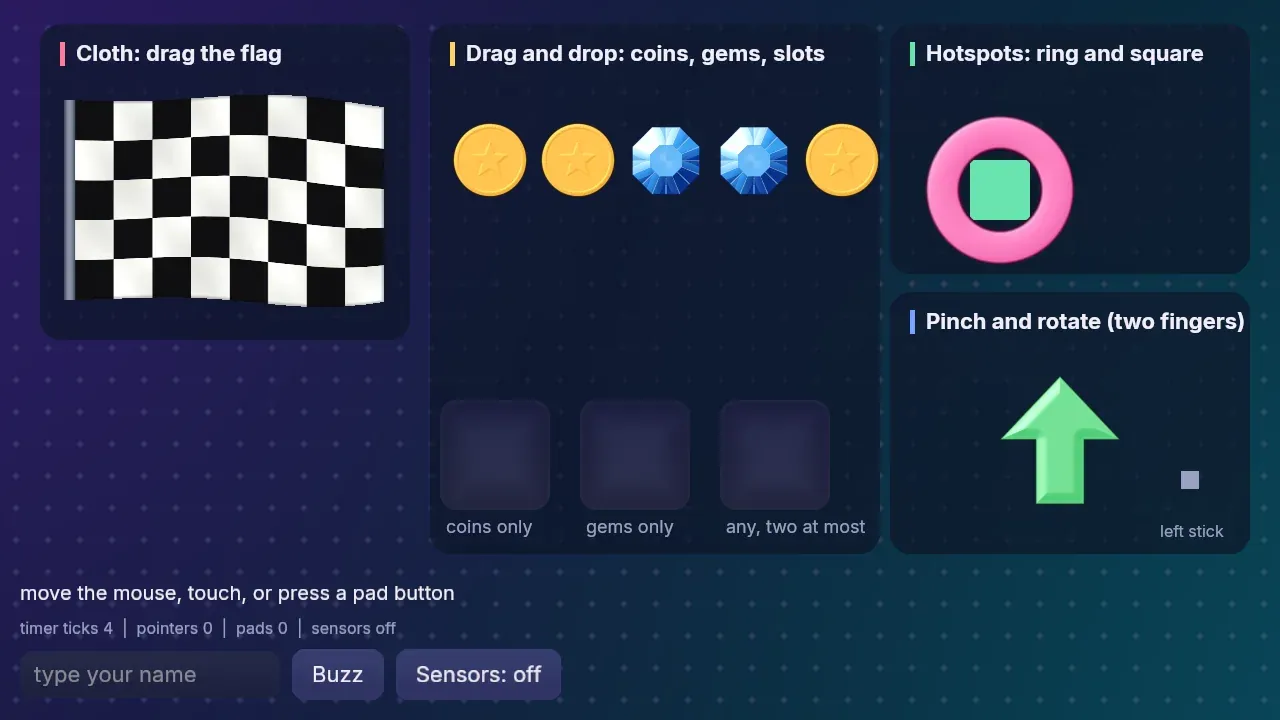
Mouse, touch gestures, keyboard and gamepad focus navigation, safe areas, phone and tablet layouts, haptics and sensors.
Rollback and safe saves
Players scroll back through the story. Saves keep working after you edit the story and ship an update.
Live reload
Edit a story, image or shader and see it in the running game. Luau changes restart the game on the line you were on.
Coming from Ren'Py?
kulisa import turns a Ren’Py project’s scripts and art into a Kulisa game you can keep
writing.
define mila = Character("Mila", { color = "#e8a0bf" })default trust = 0
label start:    scene bg station with fade    show mila smile at left    mila "You came. I wasn't sure you would."    menu:        "Of course I did.":            $ trust += 1            mila "Then let's go before the {b}last{/b} train leaves."        "I almost didn't.":            mila "Honest. I'll take it."
-- The engine calls handlers; the game decides what a line looks like.kulisa.load_font("fonts/Inter-Regular.ttf")local box = kulisa.sprite({ x = 80, y = 800, width = 1760, height = 220, tint = "#111116cc" })local line = kulisa.text({ parent = box, x = 40, y = 32, size = 40, wrap = 1680, cps = 45 })
kulisa.on("say", function(say) line.text = if say.who then `{say.who.name}: {say.text}` else say.textend)kulisa.on("tap", function() if line.complete then kulisa.story.next() else line:skip() endend)
kulisa.story.load()kulisa.story.start()The story language is all a writer needs. The templates show the other half at full scale: say boxes, choices, history, save screens and preferences, all editable Luau.
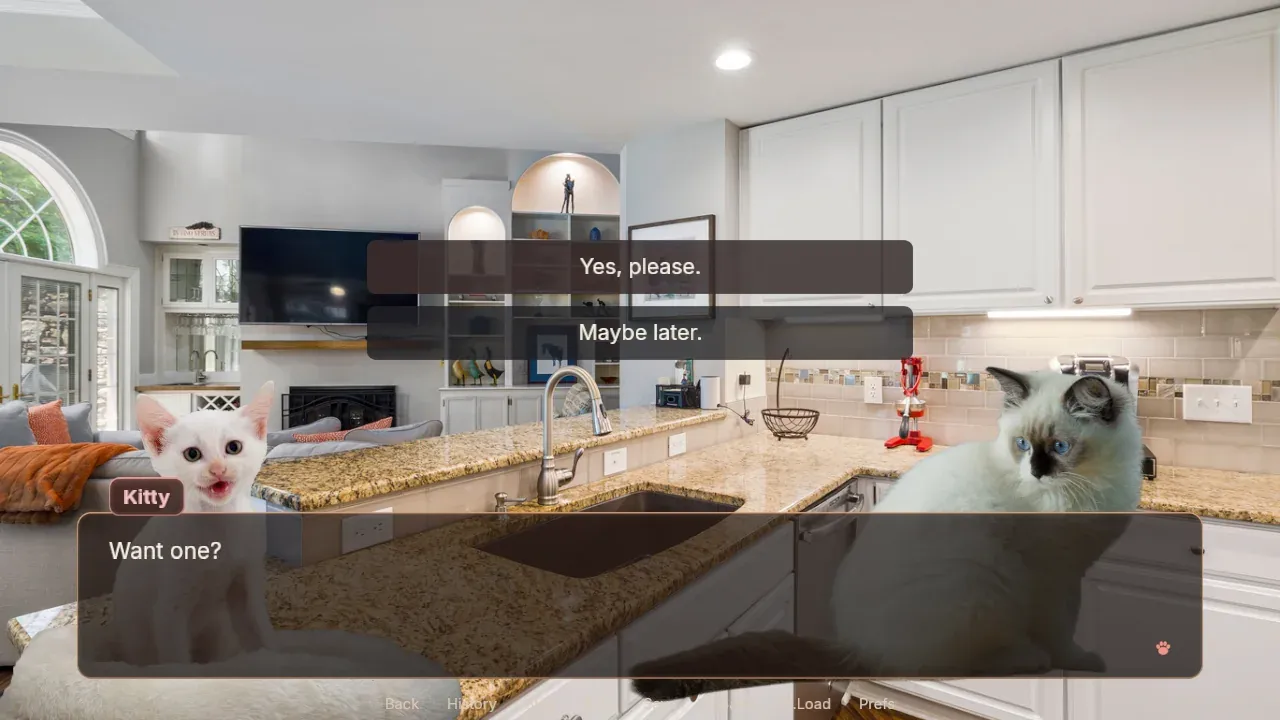
kulisa new "Cat Tales" --dir cat-talescd cat-taleskulisa runDownload Kulisa and have a game running in a few minutes, with no compiler. Kulisa is MIT licensed and developed in the open.